
Engineering Luck: Where Strategic Preparation Meets Opportunity
- November 26, 2026
- Posted by: Rhizome Desk
- Categories: Change, Strategy Development, Uncategorized
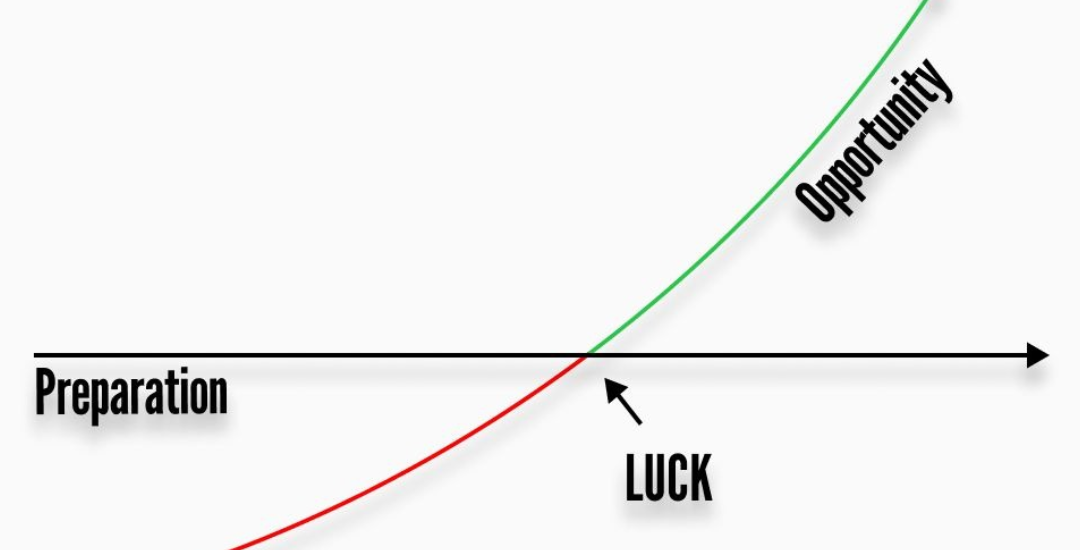
How often do individuals and organisations attribute missed opportunities to bad timing when the real issue is a lack of preparation? A professional may miss out on a career advancement because they lack a critical skill, while an organisation may struggle to respond to growing market demand because its internal processes are not equipped to support expansion. In both situations, the opportunity existed, but the capacity to maximise it did not. This highlights an important distinction: although opportunities may be unpredictable, readiness is something that can be deliberately developed.
Engineering luck is not about attempting to control every outcome or predicting when the next big opportunity will emerge. Rather, it involves developing the awareness, capabilities and resources required to recognise favourable circumstances and respond effectively. What often appears to be a fortunate outcome may be the result of consistent preparation that has positioned an individual or organisation to take advantage of an opportunity when it presents itself.
#Preparation Begins with Understanding Your Capacity
Ambition often drives individuals and organisations to pursue bigger goals, but ambition alone does not guarantee the capacity to achieve them. For individuals, preparation requires an honest assessment of existing competencies, professional experience and areas that need further development. Setting a career goal without understanding the skills and experience required to achieve it can leave someone pursuing opportunities they are not adequately equipped to handle. Organisations face a similar challenge. Growth ambitions must be supported by the right people, processes, technology and resources. Identifying a promising market opportunity means little if the organisation lacks the operational capacity to respond. The starting point, therefore, is to recognise existing strengths, identify capability gaps and determine what needs to improve before the next opportunity arrives.
#Learn to Recognise Opportunities Before They Become Obvious
Not every opportunity comes with an announcement. Some emerge through changing customer expectations, technological developments, industry disruptions and shifts in market demand. Individuals who pay attention to developments within their professions are better positioned to identify emerging skills requirements and career possibilities. Similarly, organisations that consistently monitor their operating environments can recognise changing market needs before they become obvious to competitors. However, gathering information is only part of the process. The ability to interpret developments, understand their implications and determine where value can be created is what makes that information useful. Preparation must therefore extend beyond acquiring knowledge to developing the judgement required to recognise possibilities that others may overlook.
#Recognition Must Translate into Action
Identifying an opportunity does not automatically translate into results. The ability to respond effectively determines whether its potential can be realised. For organisations, this requires strategic agility: making timely decisions, aligning leadership and directing resources towards emerging priorities. For individuals, it may involve applying newly acquired skills, pursuing relevant professional connections or taking on responsibilities that support career progression. This also requires discernment, as not every opportunity deserves attention, particularly when it does not align with long-term objectives or available capacity. The objective is not to pursue every possibility but to recognise those that create meaningful value and respond with purpose.
#Make Preparation a Continuous Practice
One common mistake is treating preparation as an annual activity, often reserved for the beginning of a new year. Yet, professional demands, market conditions and organisational priorities rarely remain unchanged for long. Individuals need to review their development goals, identify relevant skills gaps and remain informed about changes within their industries. Organisations, on the other hand, should regularly assess workforce capabilities, review operational processes and evaluate whether their strategies remain relevant to changing market conditions. These reviews should go beyond measuring what has been achieved; they should also reveal what requires attention and where future opportunities may lie. More importantly, preparation should leave room for flexibility, allowing individuals and organisations to respond to possibilities that may not have been part of their original plans.
Ultimately, luck may influence when an opportunity appears, but preparation influences what happens next. As individuals and organisations set their priorities for the year ahead, the more useful question may not be how many goals they intend to achieve, but whether they are developing the capacity to achieve them. After all, being in the right place at the right time is only part of the equation; being equipped to make the most of that moment is what turns opportunity into progress.