
The Reversed Bucket List: A Different Way to Measure Your Year
- November 20, 2026
- Posted by: Rhizome Desk
- Category: Uncategorized
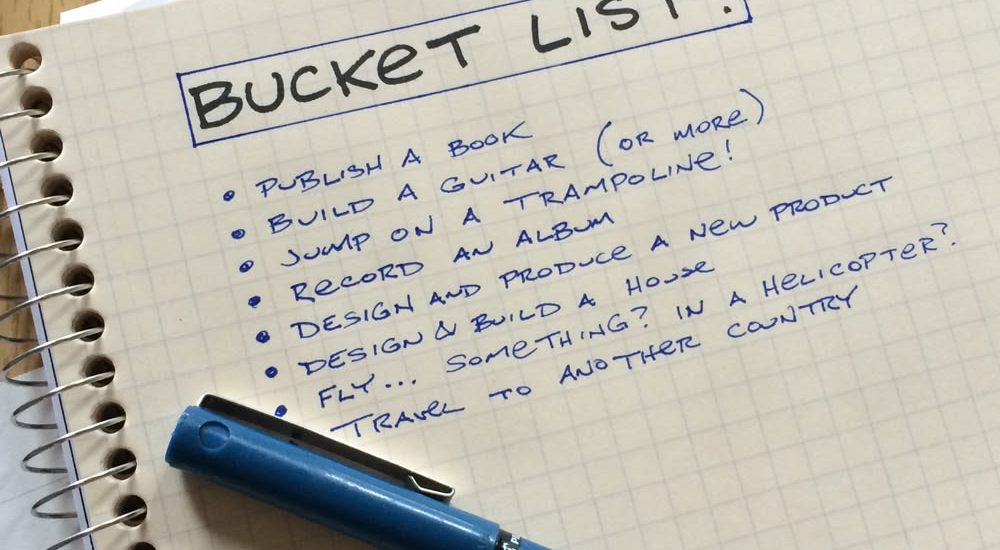
As December approaches, the pressure to reflect on the year and plan for the next one begins to build. Social media fills with year-end highlights, while many return to the goals they set in January, measuring the distance between what they hoped to achieve and where they find themselves now. For some, that review can be discouraging. The fitness routine that lasted only a few months, the savings target disrupted by unexpected expenses or the project that never made it past the planning stage can become reminders of what did not go according to plan. In the process, it becomes easy to treat the year as a measure of personal performance, where success is determined by how many targets were met and failure by how many were abandoned. Yet, a year rarely unfolds according to the plans we make for it, and the circumstances that shape our progress are not always within our control.
But when we judge the entire year by what remains unfinished, we overlook an important part of our growth: the things we learnt, the challenges we navigated and the ways our priorities changed along the way. Perhaps we had to make difficult decisions, adjust expectations, take on responsibilities we never anticipated or find the courage to start again after a setback. These experiences may not appear on a list of annual achievements, but they influence how we think, make decisions and respond to what comes next. More importantly, they remind us that progress is not always a straight line from setting a goal to achieving it. Sometimes, growth lies in recognising when a plan no longer serves us, knowing when to change direction and developing the judgement to approach familiar challenges differently. An unfinished goal may tell us what we did not accomplish, but it cannot tell the whole story of who we became.
Before deciding how much of the year you got right or wrong, take a moment to consider the experiences and milestones that may not have made it onto your original list. The following questions can help you get started:
1. What Did You Achieve Without Planning To?
Not every meaningful achievement begins with a plan. Some opportunities arise unexpectedly, while others emerge from choices made along the way. Consider the new responsibilities you took on, opportunities you pursued and experiences you never anticipated having. Even if they were absent from your January goals, they may have contributed significantly to your growth and opened doors you had not initially considered.
2. What Progress Did You Overlook?
Not all progress comes with a visible milestone or measurable outcome. Sometimes, growth shows up in the way you carry yourself: becoming more confident in expressing your views, setting healthier boundaries, asking for help when needed or learning to navigate uncertainty. These changes may seem subtle, but they reflect personal development and deserve to be acknowledged.
3. What Challenges Did You Navigate?
A meaningful year is not necessarily one without difficulties. Some of your most valuable lessons may have come from setbacks, difficult decisions and circumstances you could not control. Take stock of what you had to navigate, how you responded and what kept you moving. Recognising these moments allows you to appreciate your resilience without dismissing how difficult the journey may have been.
4. What Have You Learned to Let Go Of?
Growth is not only about what we gain; it is also about recognising what we need to leave behind. Perhaps you have outgrown certain habits, unrealistic expectations, the need for constant approval or commitments that no longer align with your priorities. As you reflect on the year, consider what you have outgrown and what you no longer need to carry into the next one.
5. How Did You Impact Others?
Personal growth is not measured by individual achievements alone; it is also reflected in the value we bring to others. Think about the colleagues you supported, the people you showed up for, the knowledge you shared and the contributions you made to a team. These moments may not always attract recognition, but they are meaningful markers of growth and the impact you have had on those around you.
Progress Over Perfection
A year does not have to unfold exactly as planned to be meaningful. While goals and targets give us direction, they rarely account for everything that shapes our growth along the way. Some of the most valuable progress happens in moments we never planned for: navigating uncertainty, making difficult decisions, strengthening relationships, learning from mistakes or discovering that our priorities have changed. These experiences may not translate into measurable achievements, but they influence how we think, what we value and how we approach the future. Taking stock of the year, therefore, requires more than counting completed goals or dwelling on those left unfinished. It means looking honestly at what the year demanded of us, what we gained from it and where our expectations may need to change. As you prepare for the year ahead, let those reflections guide your next steps. Recognise what worked, be willing to rethink what did not and set goals that are not only ambitious but informed by the lessons, experiences and realities of the year you have lived.
You may not have achieved everything you set out to do, but that does not mean you made no progress.